Haji Pir: Where Geography Became India’s Deadliest Weapon Against Infiltration

In the Himalayas, geography does not suggest strategy; it dictates it. Diplomats may draw borders, but mountains obey no treaties. One such piece of unforgiving terrain is the Haji Pir Pass, the strategically vital high altitude mountain pass, lying in the Pir Panjal range connecting Poonch (India) with Rawalkot (Pakistan-Occupied Kashmir). For decades, it has served as the most direct infiltration artery into the Kashmir Valley. Few places better illustrate how a single piece of terrain can continue to shape strategy long after guns fall silent.

Scenes after the Indian Army secured Haji Pir Pass
At 2,637 meters above sea level, Haji Pir is not among the highest passes of the Himalayas. But why is it so significant, then? It is one of the most practical and accessible routes between Pakistan-occupied Kashmir and the Kashmir Valley. In a region where steep ridgelines restrict movement and alternatives are few, such passes become gateways. Whoever controls them controls access, supply, and tempo.
To understand the Haji Pir and its positioning, one must first understand Operation Gibraltar, as both are directly connected in the context of the 1965 Indo-Pak war.
Operation Gibraltar: A War Built on Geography
Pakistan launched Operation Gibraltar in August 1965, sending an estimated 35,000 infiltrators across the ceasefire line into Jammu and Kashmir, through the Haji Pir Bulge. The objective was to spark an insurgency and gain control over Kashmir. The operation did not achieve its intended outcome. Instead of triggering a local uprising, it resulted in widespread infiltration across multiple sectors, which prompted Indian leadership to adopt a proactive military response. This failure set the stage for India’s bold counteroffensive across the Ceasefire Line to target infiltration launch pads in Pakistan-occupied Kashmir.
Operation Bakshi: How 68 Mountain Brigade Victored Haji Pir Pass
In response, the Indian Army’s 68 Mountain Brigade (Formerly 68 Infantry Brigade) was tasked with securing Haji Pir Pass as part of Operation Bakshi in late August 1965. The pass was heavily fortified and formed a central component of the enemy defences. Its capture was intended to disrupt infiltration networks and supply lines operating across the Pir Panjal. The brigade’s assault was conducted along two axes, targeting key features like Sank, Sar, Bedori, and Ledwali Gali.
Sank, a formidable mountain ridge at 2,895m, served as the primary defensive anchor and western “gateway.” Sar lay as a tactical height between Sank and Ledwali Gali, while the latter functioned as the final staging post before the pass itself.
Western Pincer: 1 PARA
The Western Pincer was led by 1 PARA (1st Battalion, Parachute Regiment) under Major Ranjit Singh Dayal. On the night of 26-27 August 1965, they launched a night assault on Sank, beginning at 2130 hours under heavy rain. The battalion approached via steep, rain-soaked ridgelines and crossed the flooded Hyderabad nala, reaching the summit by 0415 hours on 27 August. Enemy forces had withdrawn, leaving behind weapons and equipment.
Building momentum, Sar was captured by 0930 hours, and Ledwali Gali was secured two hours later. By 1800 hours, all western objectives were achieved. During the night of 27-28 August, 1 PARA conducted an extended march with a climb of over 4000 feet in adverse weather. By 0800 hours on 28 August, they reached the outskirts of Haji Pir. After regrouping, a surprise assault captured the pass by 1030 hours. The battalion held it despite counterattacks on 29 August, consolidating gains.
Eastern Pincer: 19 Punjab
Simultaneously on the Eastern Pincer, 19 Punjab captured Ringh Contour and Pathra before facing heavy resistance at Bedori. Initial assaults involving 19 Punjab, 7 Bihar, and 4 Rajput failed.
On 28 August, 19 Punjab’s commanding officer launched a renewed assault from the northeastern approach via Bedori Spring. A newly inducted 3.7-inch mountain gun provided direct artillery support, destroying enemy stone sangars and breaking resistance. This secured Bedori and Kuthnar Di Gali, denying the enemy key observation positions in the Haji Pir Bulge.
Securing the Southern Flank: 6 Dogra
With the pass taken, the southern flank remained vulnerable due to enemy control of the Gitian complex overlooking the Haji Pir-Kahuta-Poonch road axis. 6 Dogra addressed this through intense operations.
By 21 September 1965, they captured Point 7720 and the Gitian complex after fierce fighting, linking Haji Pir to the Poonch sector. Despite 24 casualties in a single night, the battalion held against counterattacks.

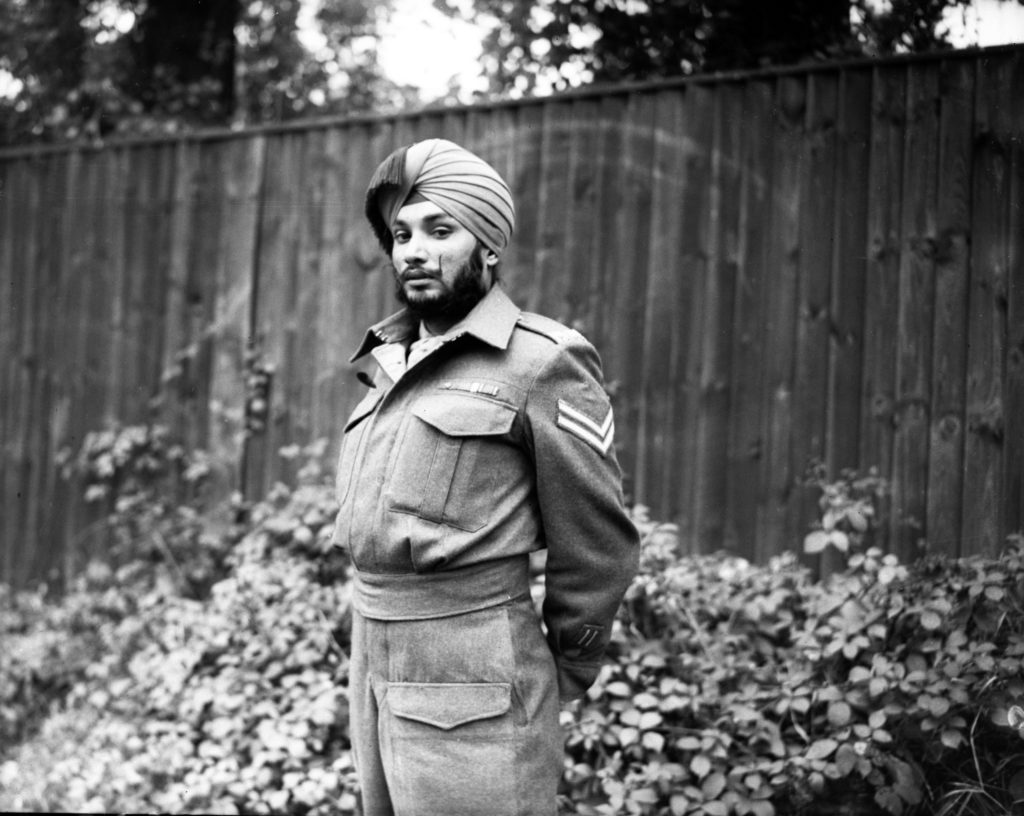
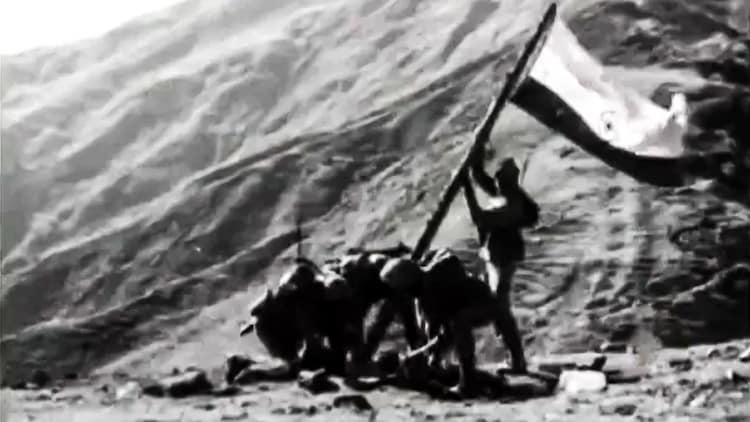
Men in action under Operation Bakshi, under which the Indian Army secured Haji Pir Pass
The overall operation, supported by five artillery units including the 164 Field Regiment, disrupted Pakistan’s infiltration routes across the Pir Panjal. Yet, despite this military success, Haji Pir Pass was returned to Pakistan under the Tashkent Agreement in January 1966, as part of the withdrawal to pre-war positions, a stark reminder of how battlefield triumphs can yield to diplomacy.