The 2nd Century Kallanai Dam and India’s Ancient Civilisations; Which Understood Perservation of Natural Resources

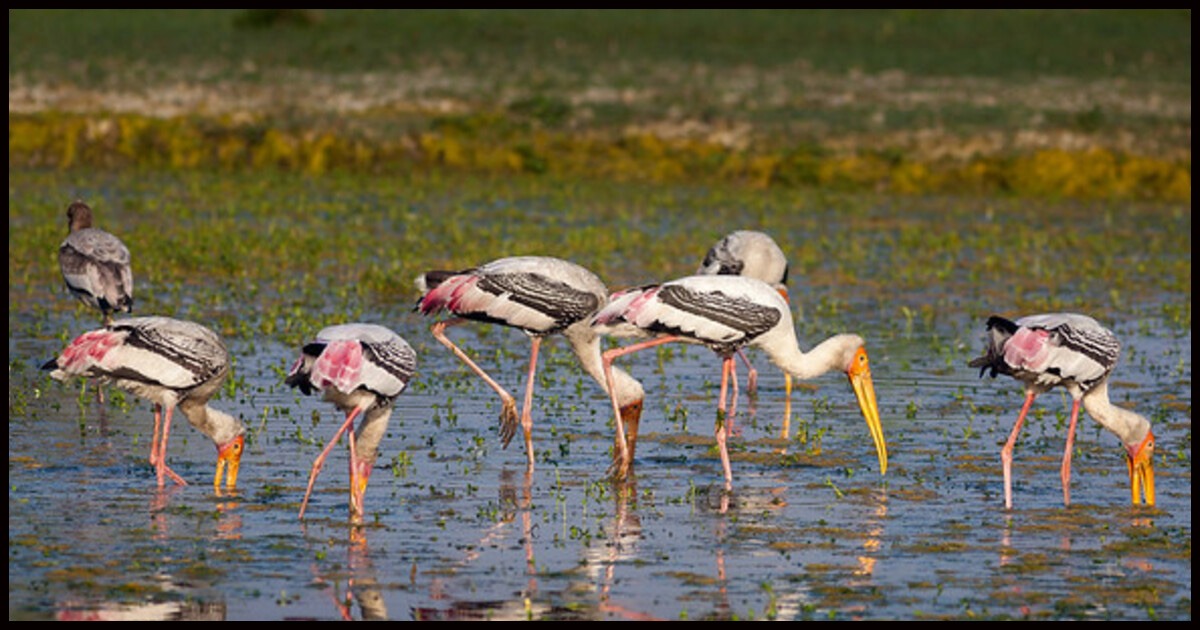
February 2 marks World Wetlands Day, commemorating the signing of the Ramsar Convention on Wetlands in 1971. On this day in Ramsar, Iran; nations adopted the world’s first global treaty dedicated to protecting wetlands, ecosystems that provide fresh water, food security, biodiversity, flood control, and climate stability. Today, most countries of the world participate in this framework, recognising that civilisation itself depends on healthy water ecosystems.

1971 Ramsar Convention | Image Source: ramsar.org
For India, wetlands were not a modern environmental discovery but a civilisational foundation. Thousands of years before global treaties, Indian communities engineered tanks, lakes, stepwells, canals, and sacred rivers as integrated water systems. These wetlands were ecological infrastructure, social institutions, and religious spaces maintained by temples, villages, and kings to ensure agricultural prosperity and drought resilience.
One of the greatest historical initiatives in India’s water civilisation was the Kallanai (Grand Anicut) dam, built around the 2nd century CE by Chola king, Karikala Chola across the Kaveri River in Tamil Nadu. Constructed using massive unhewn stones, the dam diverted river water into irrigation canals, transforming the Kaveri delta into one of South Asia’s most fertile agricultural regions. The Kallanai is among the oldest functioning water-diversion structures in the world and the oldest still in continuous use in India, demonstrating advanced hydraulic engineering nearly two millennia ago.

Grand Anicut Dam | Image Source: graconlic.com
The Kallanai was not merely a dam but a civilisational system. It regulated floods, supported millions of farmers, and anchored a network of tanks and canals managed by local communities. The Chola state developed highly organised irrigation governance, integrating water management with village self-government and temple institutions, an early model of decentralised environmental governance that sustained civilisation for centuries.
Modern global recognition of wetlands emerged only in the late twentieth century. The Ramsar Convention of 1971 sought international cooperation for the conservation and sustainable use of wetlands, highlighting their role in biodiversity protection, water security, and climate resilience. India joined the convention in 1982 and today recognises dozens of Ramsar sites, reflecting renewed awareness of ecosystems that were once managed locally for millennia.
February 2 is therefore more than an environmental observance. It symbolises a civilisational truth: societies that mastered water mastered history. From Kallanai’s stone engineering to temple tanks and sacred rivers, Bharat built a wetland civilisation long before modern science named it. As modern nations struggle with water scarcity and climate shocks, February 2 reminds us that sustainability was not invented in 1971, it was practiced in India for thousands of years.