Operation Cyclone to Terror in Kashmir: Inside Story of India-US Joint War on Terror, & Later US Hypocrisy

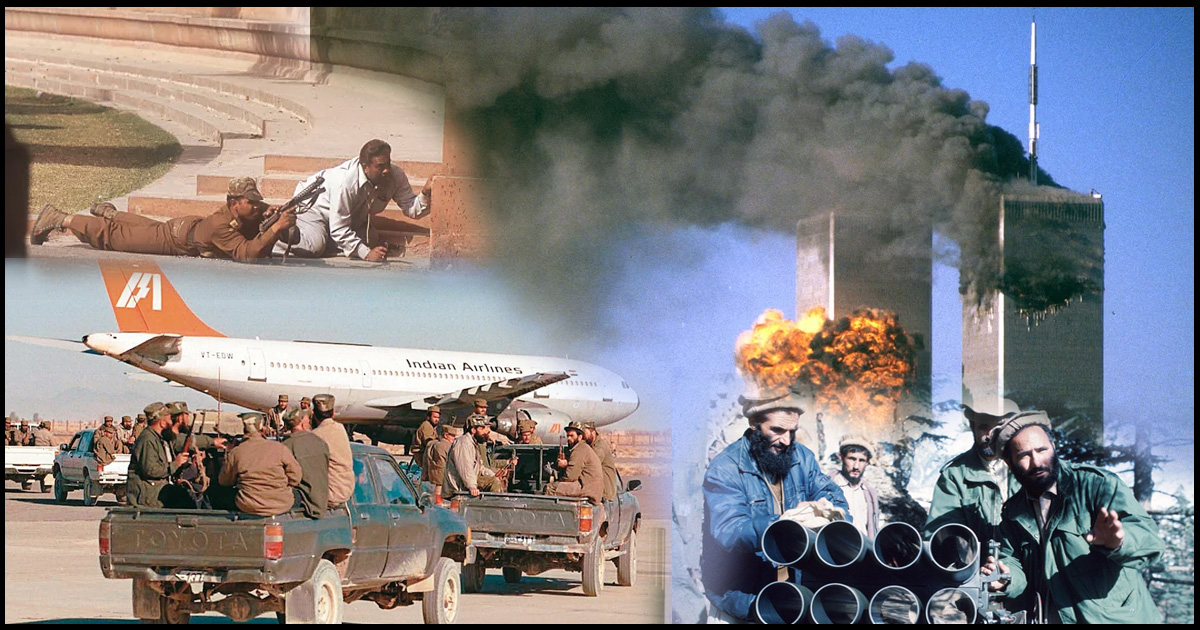
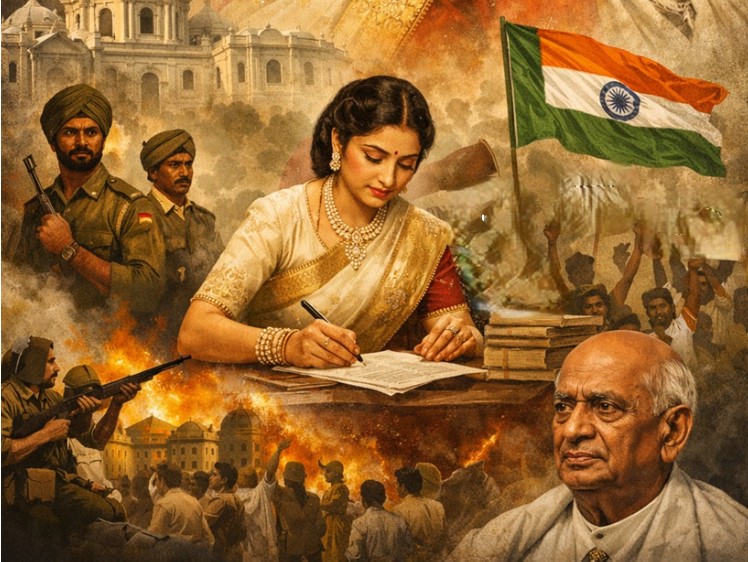
The 1980s and 1990s marked one of the darkest chapters in independent India’s history. After its defeat in the 1971 war and the creation of Bangladesh, Pakistan abandoned direct warfare and adopted the K2 (Kashmir–Khalistan) strategy to destabilize India from within. Punjab witnessed separatist violence, while Kashmir saw the brutal ethnic cleansing of Kashmiri Pandits. Despite mounting casualties from Pakistan-sponsored terrorism, the United States dismissed India’s concerns as a mere “law and order” issue. The U.S. response remained tepid until the 9/11 attacks forced a strategic reckoning. Paradoxically, in later years, the U.S. continued funding Pakistan, despite clear evidence of its role as a sponsor of cross-border terrorism against India. Why does Washington persist in supporting a known terror sponsor? This report seeks to answer that question.

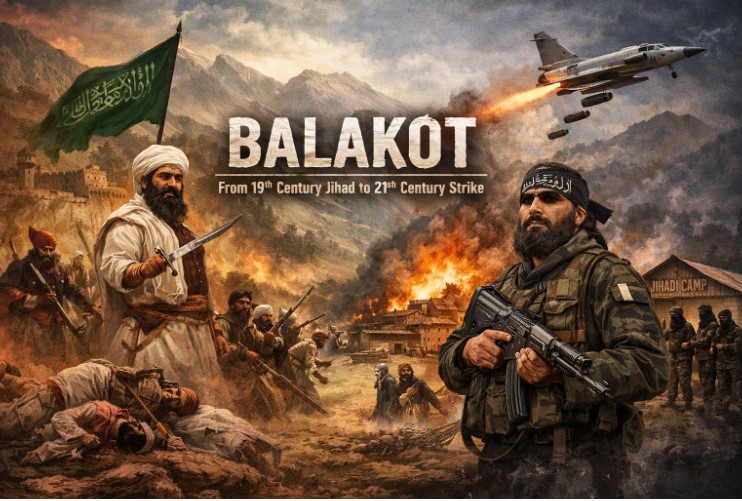
Pakistan jihadis nurtured by Pakistan | Source: Op India
The Era of Strategic Blindness
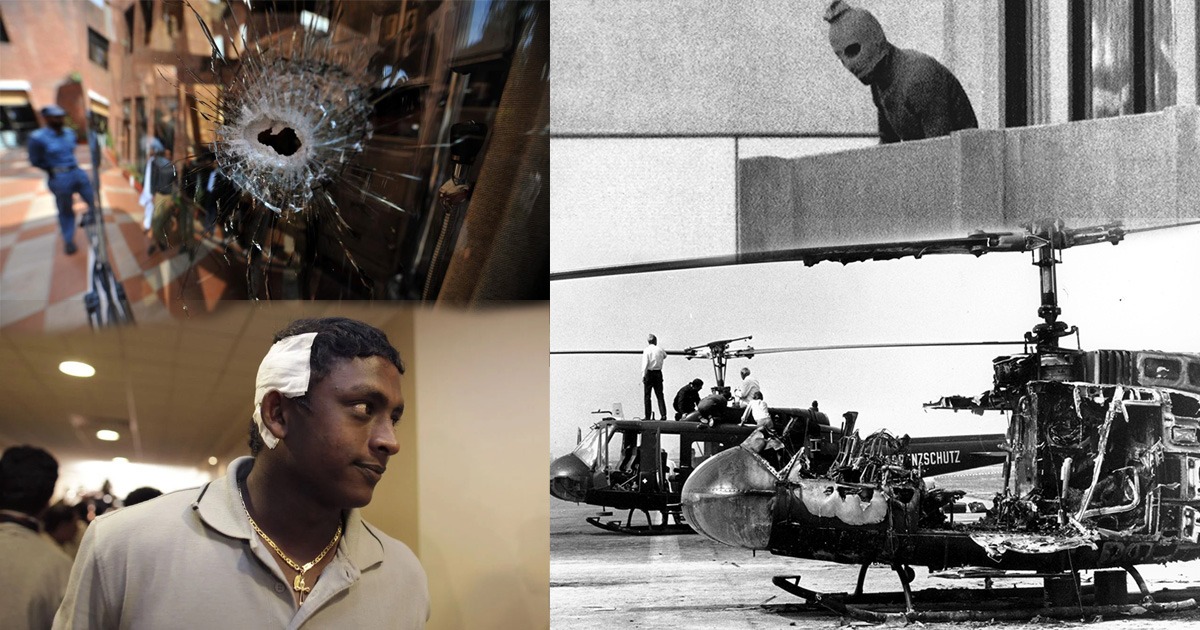
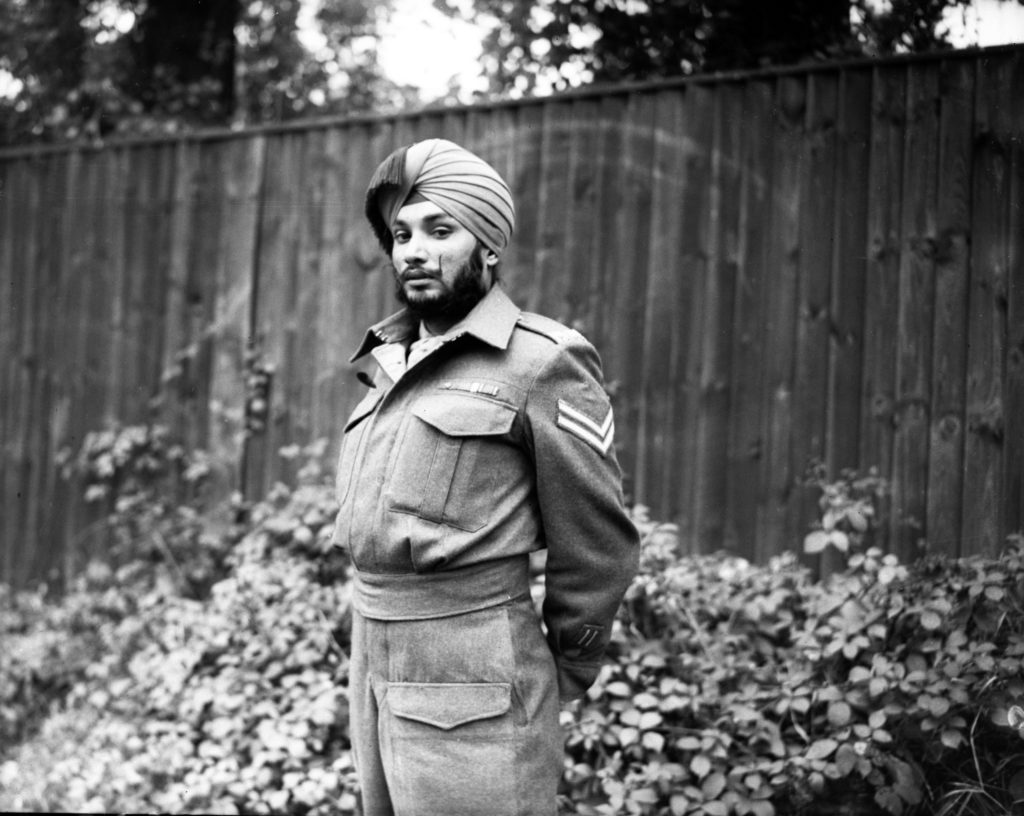
During the 1980s and 90s, India was gasping under the lethal grip of terrorism. Pakistan-sponsored terrorists were brutally killing ordinary Indian citizens. The involvement of Pakistani terrorists was exposed even in the assassination of the then-Punjab CM, Beant Singh. Furthermore, during incidents like Operation Blue Star and the bloodbath caused by Pakistan-backed terrorism in Kashmir in the 1990s, the superpower United States remained silent. At that time, despite India raising its voice on international platforms against terrorism, there was no response. In the eyes of the U.S. back then, India was not a victim nation, but merely a country having ‘troubles with a neighbor.’ The ‘strategic mask’ worn by America in those days became a curse for India. However, when India was targeted again, this time through the IC-814 on December 24, 1999, the U.S. finally woke up. Consequently, on February 8, 2000, it took its first step towards a joint counter-terrorism struggle with India. Yet, even then, America’s actions were not robust or foolproof. But why?
Operation Cyclone: The Original Sin of the Cold War
The roots of America’s strategic silence lie in the Cold War. To defeat the Soviet Union after its invasion of Afghanistan, Washington needed a proxy. That proxy was Pakistan. In the late 1970s and 1980s, the United States launched Operation Cyclone, a covert programme initiated under President Jimmy Carter and shaped by his National Security Advisor Zbigniew Brzezinski. Through Pakistan, the US quietly funnelled billions of dollars, weapons, and training to Afghan Mujahideen fighters. These men were armed, organised, and glorified as “freedom fighters” in a proxy war America did not want to fight directly.
When Soviet forces finally withdrew in 1989, Washington declared victory and walked away, but Afghanistan lay shattered. For America, the war had ended, but for the terrorists who were nurtured by the US, it did not. The jihadist ecosystem created during the anti-Soviet war survived because it was protected, repurposed, and nurtured by Pakistan’s intelligence establishment. With Afghanistan no longer the primary battlefield, these terrorists were redirected toward a new target, India. From the Mujahideen-era infrastructure emerged Pakistan-based terror outfits such as Lashkar-e-Taiba and Jaish-e-Mohammed, carrying forward the same ideology, training methods, and transnational networks into Jammu & Kashmir and mainland India.
One of the most prominent faces of this transition was Masood Azhar. Under Azhar’s leadership, Jaish-e-Mohammed went on to orchestrate some of the deadliest terrorist attacks on Indian soil — the 2001 attack on Indian Parliament that killed 14 people, the 2016 Pathankot Air Force base attack, and the 2019 Pulwama suicide bombing that martyred 40 CRPF personnel. Alongside this, Lashkar-e-Taiba demonstrated its full capabilities during the 26/11 Mumbai attacks, killing 166 civilians and foreign nationals. These were not isolated acts of violence; they were the continuation of a jihadist project born during the Cold War.
India repeatedly warned the United States throughout the 1990s and 2000s that Pakistan-backed jihadists, forged in the crucible of the anti-Soviet war, were now striking its cities and soldiers. However, those warnings were routinely dismissed as regional disputes by the US.
9/11: The Global Wake-up Call
For decades, India fought this war alone. While the rest of the world looked the other way, Indian soldiers and civilians paid the price of global indifference. Thousands were killed in terror attacks sponsored, trained, and protected across the border. Adding to this isolation, when India conducted nuclear tests for its self-defence, the United States responded not with understanding but with sanctions, further pushing the country into a strategic corner. It was one of the darkest chapters in India’s modern history.
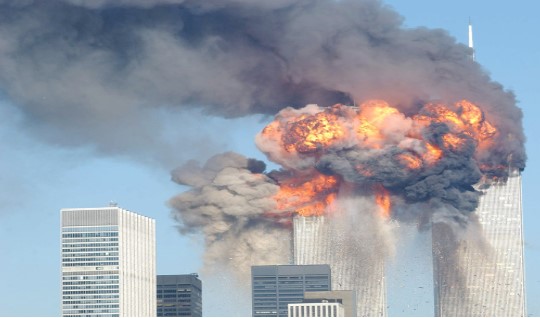
9/11 attacks in the United States | Image Source: bu.edu
However, until the 9/11 attacks, the United States did not recognize international terrorism as a major threat. It never imagined that the Mujahideen, who grew under its own patronage, would transform into the Taliban and Al-Qaeda to strike back at America itself. It was only when the World Trade Center collapsed on September 11, 2001, killing nearly 3000, that America realized terrorism knows no regional boundaries. Just a month later, on October 1, 2001, Pakistani terrorists targeted the Kashmir Assembly, killing 38 civilians. Following that bloodshed, first in the US and again in India, the Indo-US relations took a dramatic turn. Then Prime Minister Atal Bihari Vajpayee and President George Bush joined hands to counter terrorism.
The Paradox of Strategic Interests
Despite joining hands with India, a strange paradox persists: The US continued its strategic relationship with Pakistan. Washington believes that while India is essential to counter China, Pakistan’s support is equally vital for the ‘Global War on Terror.’ Although India consistently provides evidence of Pakistan using terror groups as state tools, the US remains reluctant to completely abandon Pakistan due to its own security interests.
The reason the US clings to Pakistan isn’t just terrorism; it is a much more terrifying factor: “Nuclear Weapons.” Washington fears that if Pakistan becomes unstable, its nuclear arsenal might fall into the hands of terrorists, leading to a global catastrophe. Thus, the US-Pakistan relationship is less of a friendship and more of a “surveillance” mission. Even after the discovery of Osama bin Laden in Abbottabad in 2011, or proof of ISI’s links to the Haqqani network, Washington could not afford to walk away.
The jihadist ecosystem created during the Cold War did not vanish; it multiplied. When repurposed by Pakistan, it inflicted lasting human suffering on India’s soil. The delayed India–US counter-terror partnership of 2000 was not the result of ignorance, but of a long-standing refusal to confront the consequences of past strategic choices.