Bengal Politics: An Analysis from the Past to the Future

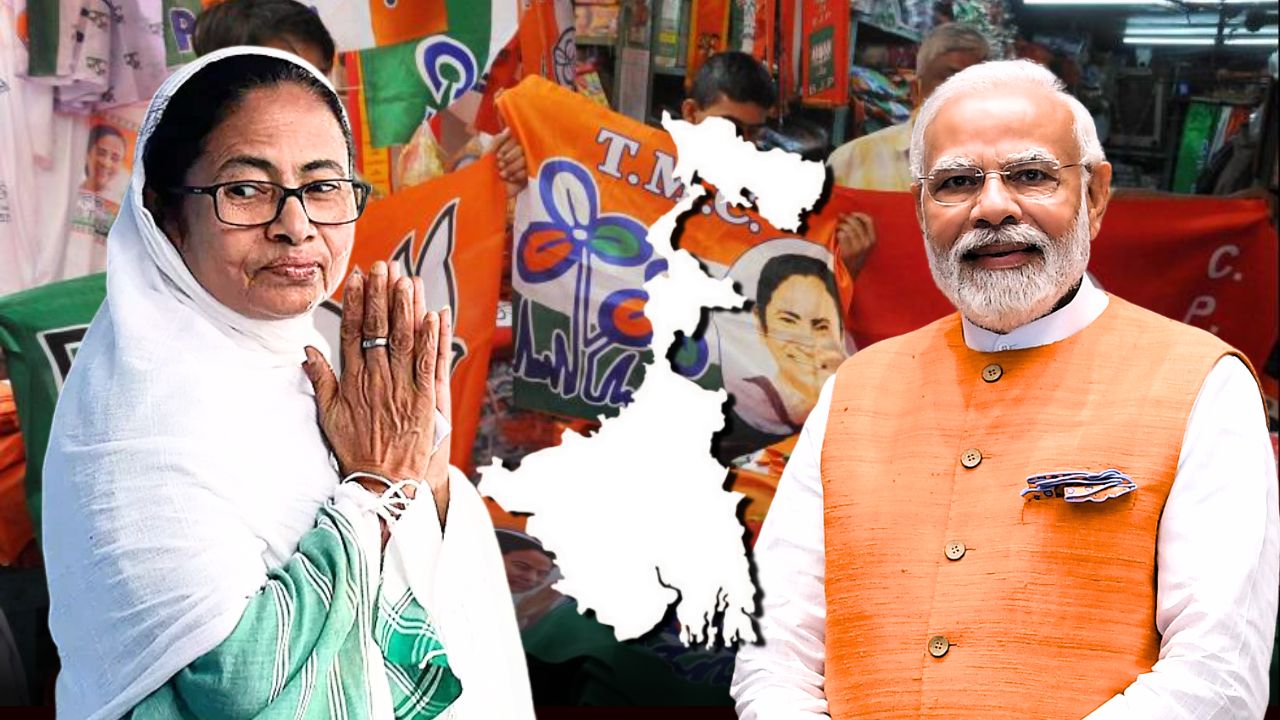
West Bengal’s politics has always been complex, multifaceted, and dynamic. Since independence, the state has gone through four distinct political phases: the Congress party’s dominance, the Left Front’s long 34-year rule, the rise of the Trinamool Congress, and the recent strong challenge from the BJP. Each phase has profoundly influenced Bengal’s society, economy, and political culture. This explainer analyzes the past, present, and potential future of Bengal’s politics…
The Past: The Era of Congress and the CPI(M) For the first few decades after independence, the Congress party was the dominant force in West Bengal politics. From the first assembly elections in 1952 until 1977, Congress was in power for approximately 16 years. During this time, industrialization, education, and administrative structures were developed, but gradually, corruption, food shortages, unemployment, and political instability created resentment among the people. The Naxalite movement and labor politics in the sixties and seventies further destabilized the state. It was in this context that the Left Front rose to power. In 1977, the Left Front came to power and ruled the state for 34 consecutive years. Land reforms, Operation Barga, and the Panchayat system established a strong base for the CPI(M) in rural Bengal. The expansion of education and health services was also significant during this period. However, the reluctance towards industrialization, the excessive influence of trade unions, and the anti-investment environment gradually hampered the state’s economy. The Singur and Nandigram movements marked a turning point in the decline of the Left Front. Public anger over land acquisition, administrative rigidity, and political arrogance shattered the CPI(M)’s mass base. This long rule came to an end in 2011. Currently, the CPI(M) and Congress are on the fringes of politics, and their existence is limited to alliance politics.
The Rise and Rule of the Trinamool Congress In 1998, Mamata Banerjee left the Congress party and formed the All India Trinamool Congress. By leading the Singur and Nandigram movements, she established herself as a ‘leader of the people’. In 2011, the Trinamool Congress came to power promising ‘change’. In its first term, the Trinamool government launched schemes like Kanyashree, Rupashree, Sabuj Sathi, and Swasthya Sathi, which gained popularity, especially among women and rural voters. In 2016 and 2021, the party secured an absolute majority. However, over time, the weaknesses of Trinamool rule also became apparent. Allegations of teacher recruitment scams, coal and sand smuggling, syndicate culture, and irregularities in relief distribution during natural disasters cornered the government. The distinction between the administration and the party almost disappeared. Such allegations also arose. Despite Mamata Banerjee’s personal popularity, the governance system surrounding her increasingly came under question.
Recent Events: Failures of Mamata’s Rule In 2024-25, several incidents raised serious questions about the Trinamool government’s administrative efficiency and moral standing. The rape and murder of a female doctor at RG Kar Medical College sparked outrage across the state. The initial role of the police, the confusion surrounding the explanation of the incident, and the government’s conflict with the protesting doctors were identified as failures of the Mamata government. In Sandeshkhali, allegations against Trinamool leader Shahjahan Sheikh regarding land grabbing and sexual assault brought to light the party’s abuse of power at the grassroots level. Alongside this, the opposition’s allegations regarding law and order, minority appeasement, and administrative inefficiency gained further traction. These incidents have damaged Mamata Banerjee’s image as a ‘sensitive administrator’.
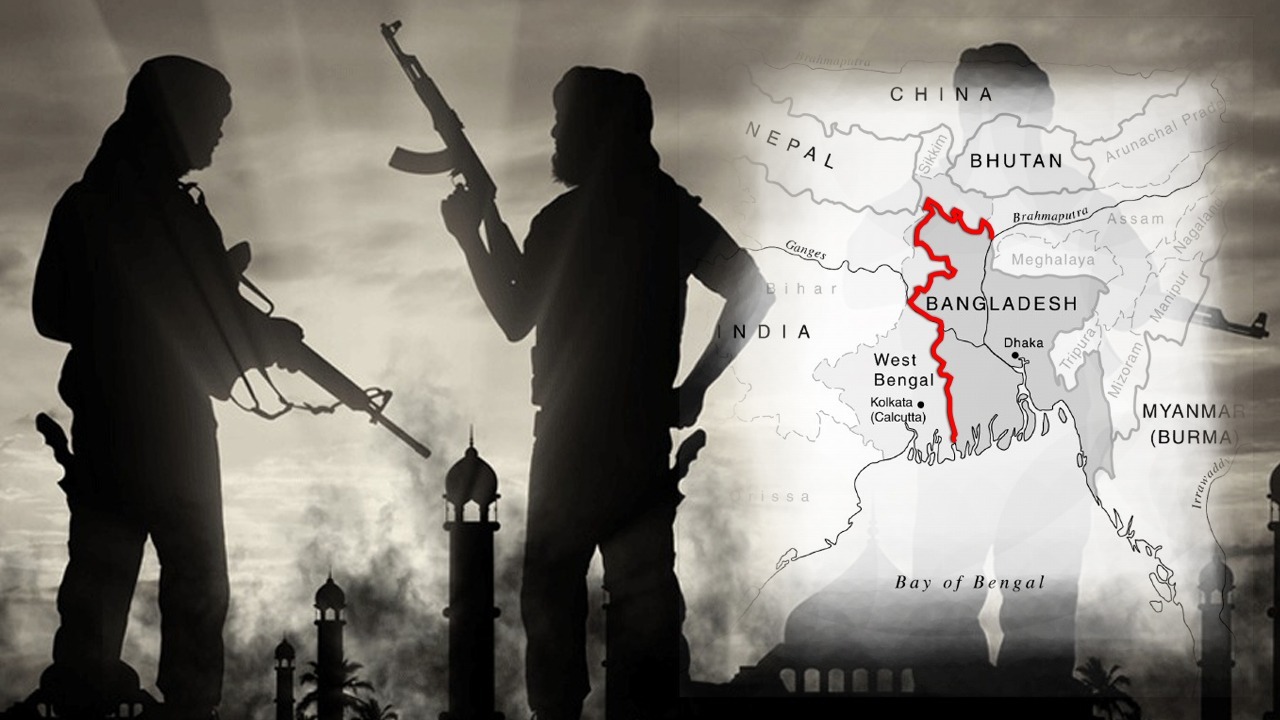
The Rise of the BJP and its Current Position The BJP was a marginal force in West Bengal for a long time. However, since 2014, the party has gradually expanded its organization. In the 2019 Lok Sabha elections, the BJP won 18 seats, emerging as the main opposition force in the state. In the 2021 assembly elections, they secured 77 seats, establishing themselves as a strong opposition. The BJP’s politics primarily relies on Hindu unity, an anti-corruption stance, border security, and the promotion of central development schemes. This message has been relatively more acceptable among the urban middle class, border districts, and North Bengal. However, leadership crises and internal party conflicts are major challenges for the BJP.
North Bengal-South Bengal Regional Realities South Bengal remains a strong bastion for the Trinamool, especially in Kolkata and the surrounding districts. However, discontent among the urban middle class regarding corruption and unemployment is growing. The situation is different in North Bengal. The Gorkhaland movement in the Darjeeling hills and the question of Rajbanshi identity in Cooch Behar and Alipurduar determine the political equations. The Gorkhaland movement is primarily a demand for self-governance and cultural identity. Although the Trinamool Congress is trying to maintain peace in the hills, a permanent political solution remains uncertain. On the other hand, the Rajbanshi community has long been demanding constitutional recognition and development. The BJP has increased its acceptability in North Bengal by bringing these demands to the forefront of political discourse. The BJP has strengthened its position by promising to address these regional and ethnic demands at the national level, while the Trinamool Congress has often been perceived as reactive. Meanwhile, the Matua vote has also become a major political factor.
2026 Assembly Elections and Possible Scenarios The 2026 election will be a major test for the Trinamool Congress. The fatigue of long rule, allegations of corruption, and administrative failures have become a burden for them. Although Mamata Banerjee is still the main face of the party, her political authority is no longer as unchallenged as before. The BJP has an opportunity to capitalize on anti-incumbency sentiment.